Orthodontic treatment is a big investment of time and commitment. Whether you choose braces or Invisalign, the goal is the same: a healthy, aligned smile that lasts. But what many patients don’t realize is that finishing treatment isn’t the end of the process.
Retainers play a critical role in protecting your results and preventing orthodontic retainers relapse. Without them, teeth can gradually shift back toward their original positions, undoing months or even years of progress.
Here’s everything you need to know about relapse, retention, and how to keep your smile exactly where you want it.
What Is Orthodontic Relapse?
Orthodontic relapse refers to the natural tendency for teeth to move back after treatment. Teeth aren’t fixed in place permanently. They’re supported by bone and soft tissue that need time to stabilize after being repositioned.
Even after braces or aligners are removed, your teeth are still adjusting. Without proper retention, they can begin to shift sometimes subtly at first, but enough over time to affect both appearance and bite.
This is why orthodontic retainers relapse is so common when patients don’t follow their post-treatment plan.
Why Teeth Shift After Braces or Invisalign
There are a few key reasons relapse happens:
Bone Remodeling Takes Time – The bone around your teeth needs time to rebuild and stabilize after movement. Retainers hold teeth in place while this process finishes.
Ligament Memory – The fibers that connect teeth to bone can “remember” their original position and try to pull teeth back.
Everyday Forces – Chewing, speaking, and even sleeping habits can gradually influence tooth position.
Natural Aging Changes – Teeth can shift slightly over time, even in people who never had orthodontic treatment.
All of this makes relapse retention and retainers in orthodontics essential, not optional.
How Retainers Prevent Relapse
Retainers are designed to hold your teeth in their new position while your mouth adapts. Think of them as the final phase of treatment, not an afterthought.
There are two main types:
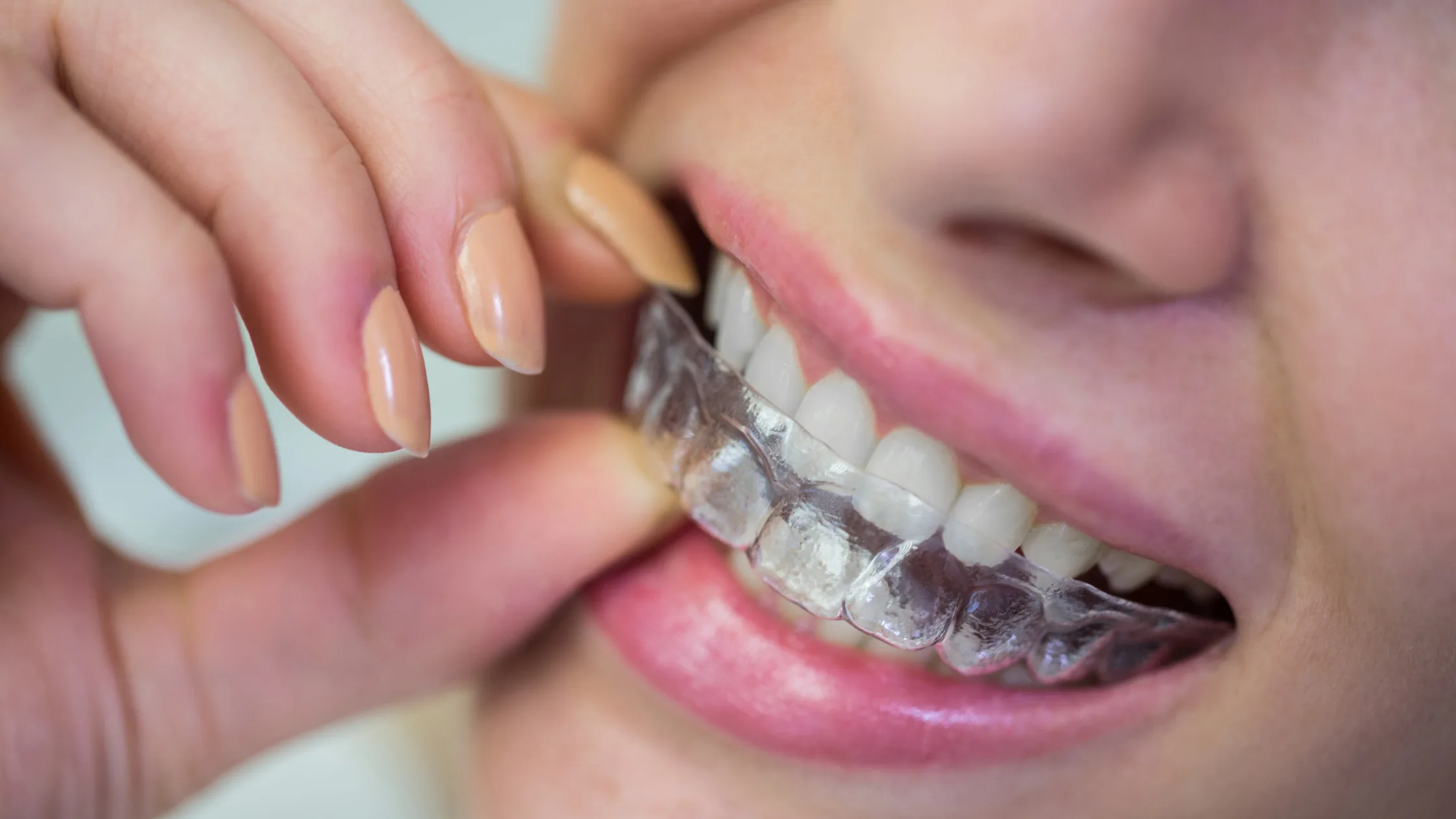
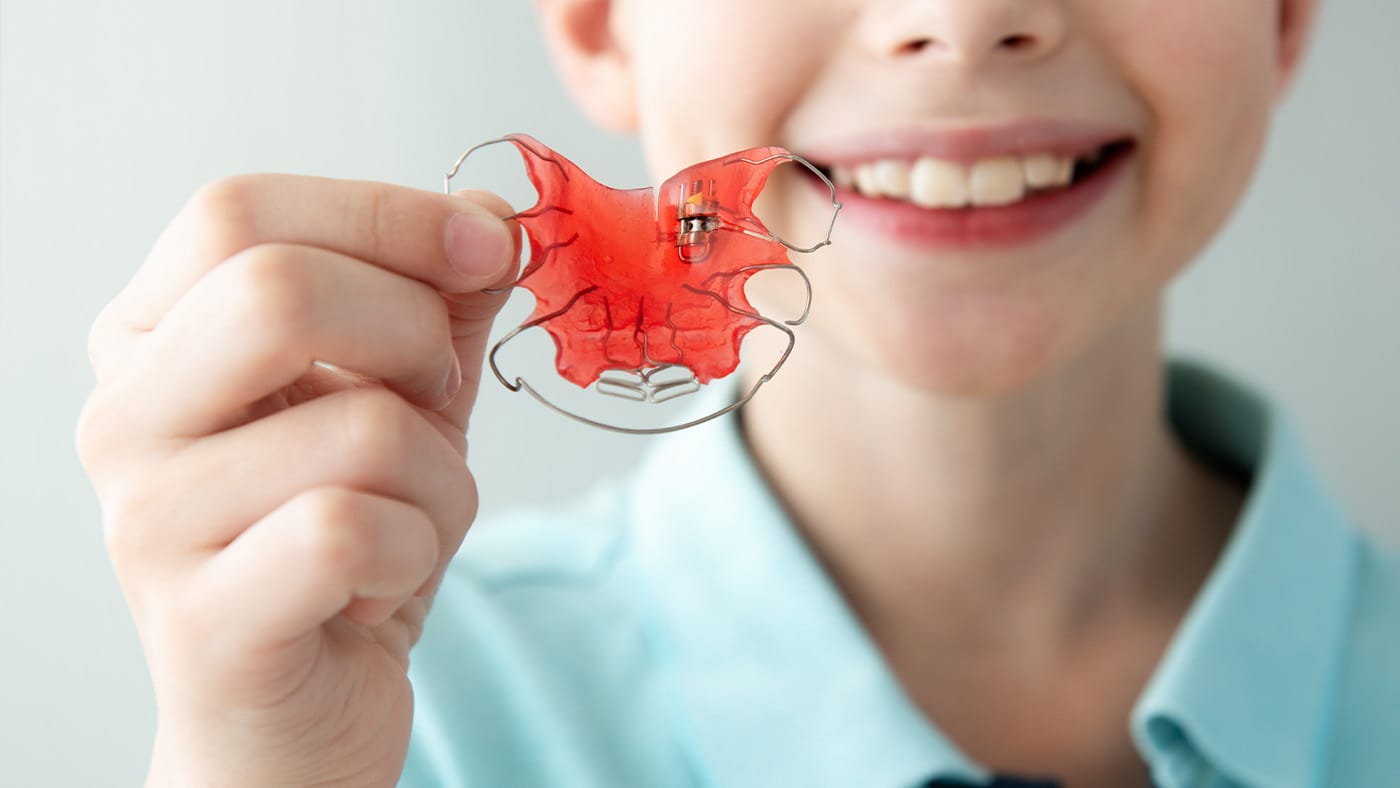
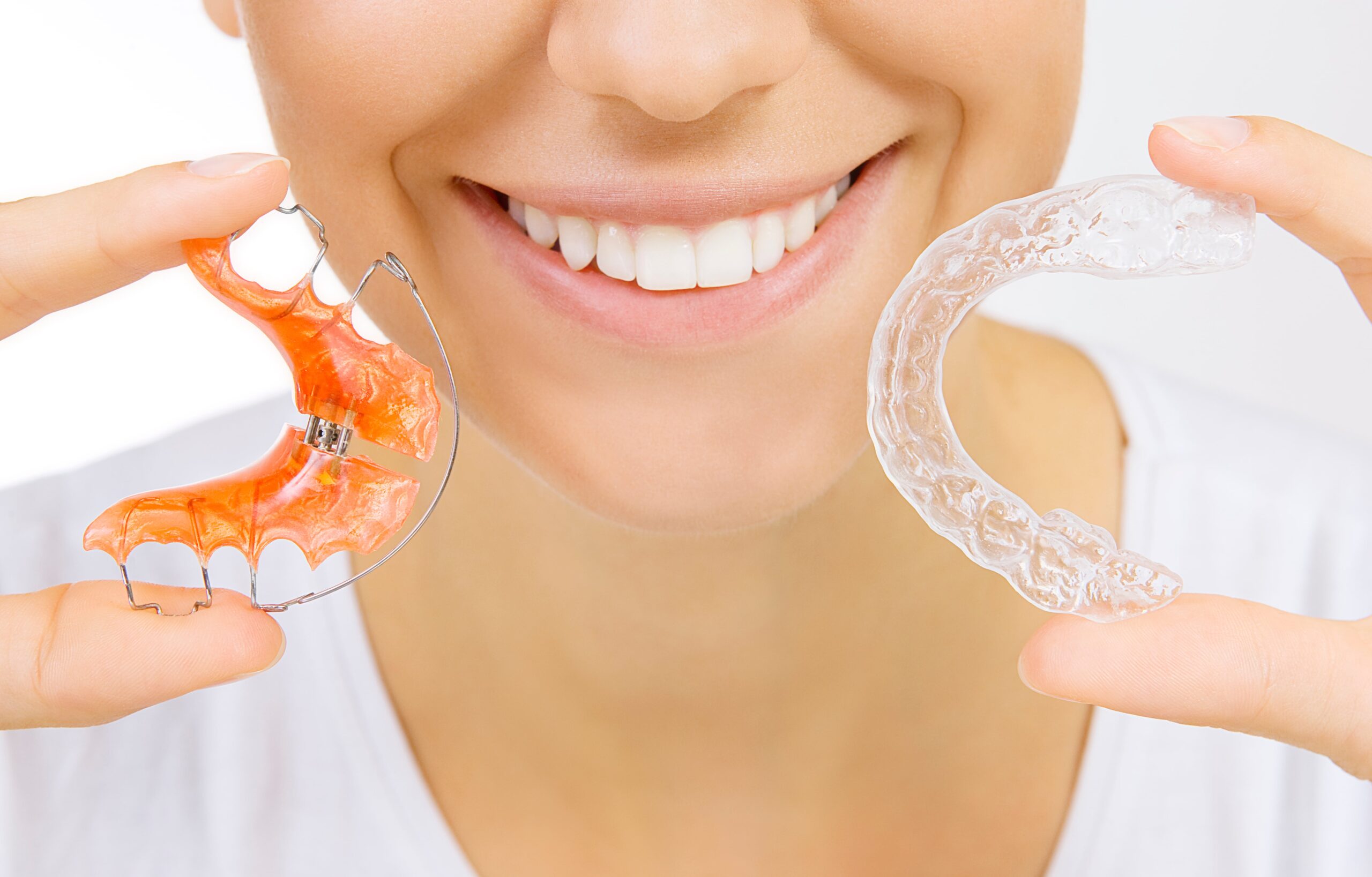
Removable Retainers: These are worn as directed, typically full-time at first, then transitioning to nighttime wear. They’re easy to clean and convenient for daily use.
Fixed (Bonded) Retainers: A thin wire is placed behind the teeth, usually on the lower front teeth, to provide constant support without needing to remember to wear it.
At Avelle Orthodontics, we guide patients on the right type of retainer and a wear schedule that supports long-term success.
How Long Do You Need to Wear a Retainer?
This is one of the most common questions and the honest answer is: longer than most people expect.
Immediately after treatment, retainers are typically worn full-time. Over time, most patients transition to nighttime wear. But to truly prevent orthodontic retainers relapse, long-term consistency matters.
Teeth can shift at any age, which is why many orthodontists recommend wearing retainers at night indefinitely.
The good news? Once it becomes part of your routine, it’s easy to maintain.
Signs Your Teeth May Be Shifting
Relapse doesn’t always happen all at once. Watch for early signs like:
- Tightness when putting your retainer back in
- Small gaps or crowding starting to reappear
- Changes in how your bite feels
- Retainers no longer fitting properly
If you notice any of these, it’s important to act early. Minor shifts are much easier to correct than major relapse.
How to Avoid Orthodontic Retainers Relapse
Protecting your smile comes down to a few simple habits:
- Wear your retainer exactly as directed
- Keep your retainer clean and in good condition
- Store it safely when not in use
- Replace it if it becomes worn or damaged
- Stay consistent with follow-up visits
Skipping even a few nights regularly can allow small movements to start adding up over time.
Protect the Smile You Worked For
Orthodontic treatment doesn’t end when braces come off or aligners are finished. Retention is what keeps your results intact.
At Avelle Orthodontics in Gilbert and Goodyear, Arizona, we focus on helping patients not only achieve a great smile, but keep it. All treatment plans include bonded and removable retainers, and with a little consistency, you can avoid relapse and enjoy your results for years to come.
If you have questions about your retainer, fit, or wear schedule, our team is here to help you stay on track.