Orthodontic treatment has come a long way over the years. Modern technology has transformed the way orthodontists diagnose, plan, and monitor treatment, making the experience more comfortable, efficient, and personalized than ever before.
For many patients and parents, one of the biggest concerns about braces or clear aligners is what treatment will actually feel like. The good news is that today’s orthodontic technology helps reduce discomfort, improve accuracy, and create more predictable results.
Whether you’re exploring treatment for yourself or your child, understanding the technology behind modern orthodontics can help you feel more confident about the process.
How Orthodontic Technology Has Changed
In the past, orthodontic treatment relied heavily on physical impressions, manual measurements, and frequent adjustments. While those methods were effective, they often required more appointments and left less room for customization.
Today’s technology allows orthodontists to gather detailed information about your teeth, jaw, and bite with incredible precision. This information helps create treatment plans that are tailored specifically to each patient.
The result is often a smoother experience, improved comfort, and more efficient tooth movement.
Digital Scanning Replaces Traditional Impressions
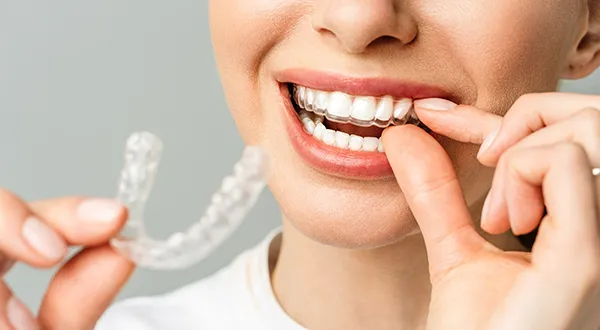
One of the biggest improvements patients notice is the use of digital scanners.
Digital Scanning and 3D Imaging Improve Accuracy
One of the biggest improvements patients notice is the use of digital technology throughout the treatment process.
Instead of biting into trays filled with impression material, our orthodontic offices use handheld scanners to create a detailed 3D model of the teeth and bite. Digital scanning is faster, more comfortable, and allows for highly accurate treatment planning.
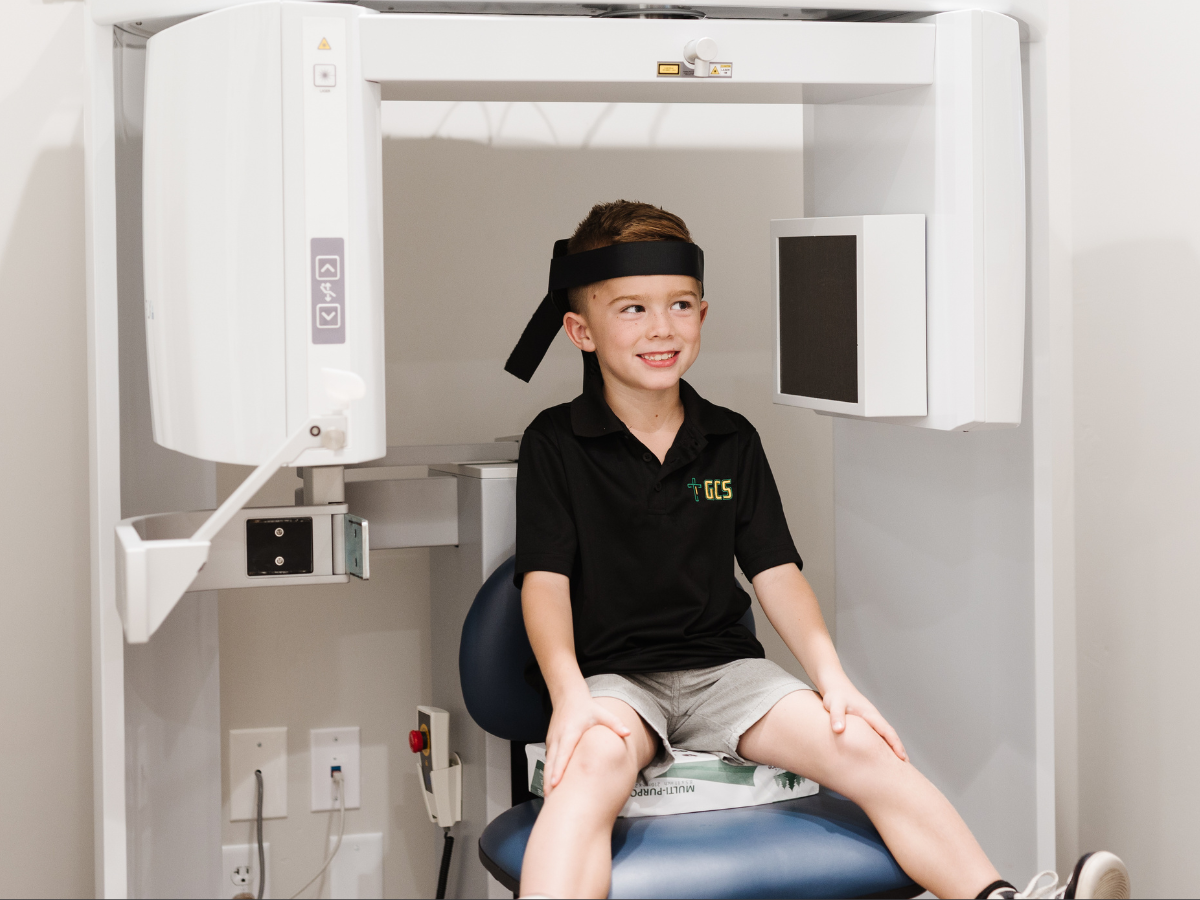
In addition to digital scans, modern orthodontics often utilizes Cone Beam Computed Tomography (CBCT), also known as a 3D X-ray. Unlike traditional 2D X-rays, CBCT imaging provides a comprehensive view of the teeth, roots, jaw structure, bone, and airway from multiple angles.
This advanced imaging allows orthodontists to evaluate important factors that may not be visible on standard X-rays, including tooth position, root alignment, jaw relationships, bone support, and airway development. The additional detail helps create more precise treatment plans and can improve both the efficiency and predictability of treatment.
Together, digital scanning and 3D imaging provide a more complete picture of each patient’s unique anatomy, allowing for truly personalized orthodontic care.
More Precise Treatment Planning
Advanced software allows orthodontists to plan treatment with remarkable detail before it even begins.
Using digital models and imaging, orthodontists can evaluate tooth positioning, bite alignment, jaw relationships, and potential treatment challenges. This helps create a customized roadmap for treatment and allows providers to make adjustments before problems arise.
Better planning often leads to:
- More predictable results
- Improved efficiency
- Fewer surprises during treatment
- Better communication with patients and parents
When everyone understands the treatment plan from the start, the process tends to feel less overwhelming.
Improved Comfort During Treatment
Modern orthodontic systems are designed with patient comfort in mind.
Today’s braces are typically smaller and less bulky than older versions. Advances in materials and design allow teeth to move more efficiently while applying gentler forces.
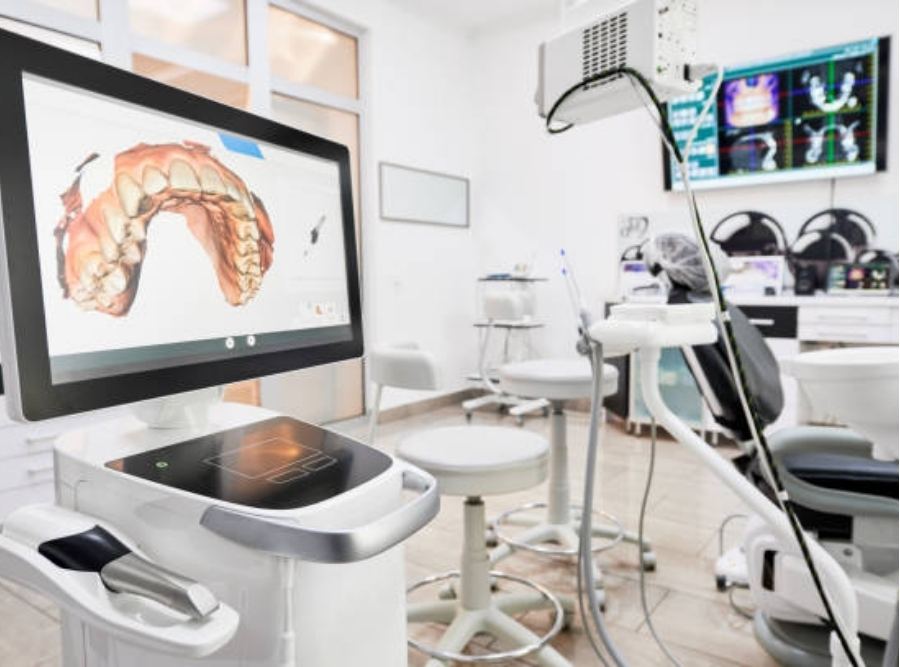
Clear aligner technology has also continued to evolve, providing patients with an alternative that is removable, comfortable, and discreet.
While some soreness is normal when teeth begin moving, many patients find that modern treatment is much more comfortable than they expected.
Better Monitoring and Progress Tracking
Technology doesn’t just help at the beginning of treatment. It also helps orthodontists monitor progress more accurately throughout the process.
Digital records and imaging allow providers to compare changes over time and ensure treatment is progressing as planned. This can help identify potential issues early and keep treatment moving efficiently.
For busy families, this often means greater confidence that treatment is staying on track.
Technology Supports Better Results
While technology is an important tool, successful orthodontic treatment still depends on the expertise of the orthodontist using it.
Advanced imaging, digital planning, and modern treatment techniques allow orthodontists to make informed decisions that support healthier bites, improved function, and beautiful smiles.
The combination of technology and clinical experience helps create results that are both effective and personalized.
Modern Orthodontic Care in Gilbert and surrounding Arizona communities
If you’re considering braces, clear aligners, or orthodontic treatment for your child, modern technology can make the experience more comfortable and predictable than ever before.
At Avelle Orthodontics, we use advanced technology to help patients and families better understand their treatment options while creating personalized plans designed around their unique needs. We proudly serve patients throughout Gilbert, Goodyear, and surrounding Arizona communities.
Whether you’re exploring treatment for the first time or simply looking for answers, understanding the technology behind modern orthodontics can help you feel confident about the journey ahead.